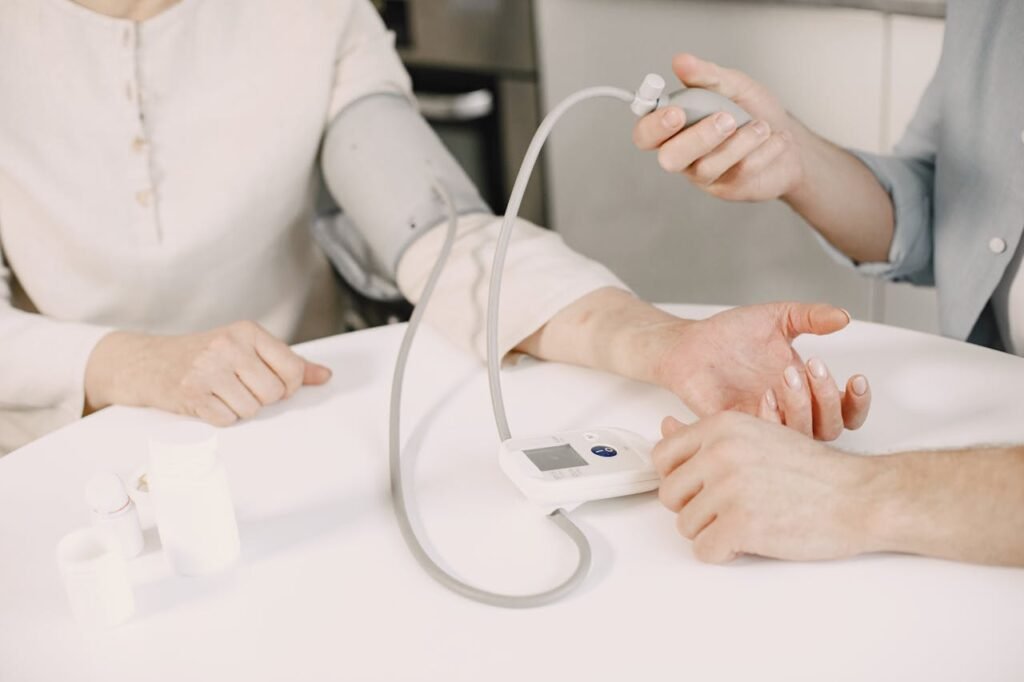

Pulmonary arterial hypertension is a serious condition that affects the blood vessels in the lungs. When someone has PAH, the arteries carrying blood from the heart to the lungs become narrow and stiff, making it harder for blood to flow through. This forces the heart to work much harder to pump blood, which can eventually lead to heart failure.
Understanding PAH helps people recognize symptoms early, seek proper medical care, and learn about treatment options that can improve quality of life. While PAH is a progressive condition, advances in treatment have made it possible for many patients to live longer and more active lives than ever before.
Let’s explore what pulmonary arterial hypertension is, how it affects the body, and what patients and families should know about managing this condition.
What Happens in Pulmonary Arterial Hypertension
PAH is a type of high blood pressure that specifically affects the arteries in the lungs. Unlike regular high blood pressure that affects arteries throughout the body, PAH targets the pulmonary arteries.
How PAH Affects the Lungs and Heart
In a healthy person, the pulmonary arteries are flexible and wide enough to allow blood to flow easily from the right side of the heart through the lungs. When someone develops PAH, the walls of these arteries become thick and stiff. The small blood vessels in the lungs may also become blocked or narrowed.
This increased resistance makes it much harder for the right side of the heart to push blood through the lungs. Over time, the right ventricle enlarges and weakens from working so hard. Eventually, if left untreated, the heart can fail completely.
Why PAH Is Called a Silent Condition
PAH often develops gradually, and early symptoms can be vague or easily dismissed. Someone might feel more tired than usual or slightly short of breath but attribute it to aging or being out of shape. By the time obvious symptoms appear, the disease may already be advanced. Many people live with undiagnosed PAH for months or even years before getting the right diagnosis.
Types and Causes of PAH
Doctors classify pulmonary hypertension into different groups based on what causes it. True PAH refers specifically to Group 1 pulmonary hypertension.
Idiopathic and Heritable PAH
Idiopathic PAH means the condition develops without any known cause. This is the most common form and can affect anyone, though it’s more frequently diagnosed in women than men. Some people inherit gene mutations that make them susceptible to developing PAH. If someone in a family has PAH, their relatives may also be at risk.
PAH Associated with Other Conditions
Certain medical conditions increase the risk of developing PAH. Connective tissue diseases like scleroderma and lupus are strongly linked to PAH. Congenital heart disease, HIV infection, liver disease, and exposure to certain drugs or toxins are also known risk factors.
Recognizing the Signs and Symptoms
PAH symptoms often start mild and worsen gradually as the condition progresses. Recognizing these signs early can lead to faster diagnosis and treatment.
Common Symptoms
The first symptom most people notice is shortness of breath during activities that never bothered them before. Fatigue is another early sign, where a person feels exhausted after normal daily activities. Dizziness or lightheadedness can occur, especially during physical activity.
As PAH progresses, symptoms become more severe and occur even at rest. Chest pain or pressure can develop, particularly during activity. Swelling in the ankles, legs, and abdomen happens when the weakened right side of the heart can no longer pump blood effectively.
A person with PAH might notice their heart racing or feel irregular heartbeats. Bluish lips or skin can appear in advanced PAH. Fainting spells may occur, especially during physical activity.
How Doctors Diagnose PAH
Diagnosing PAH requires several tests because the symptoms overlap with many other heart and lung conditions.
Diagnostic Tests
An echocardiogram uses sound waves to create images of the heart and estimate pressure in the pulmonary arteries. Electrocardiograms measure the heart’s electrical activity and can reveal signs of right ventricular strain. Chest X-rays may show enlarged pulmonary arteries or an enlarged heart.
Right heart catheterization is the gold standard test for diagnosing PAH. During this procedure, a doctor threads a thin tube through a vein into the right side of the heart and pulmonary arteries to directly measure pressures. Blood tests can check for underlying conditions that might cause PAH. A six-minute walk test measures functional capacity and helps track disease progression over time.
Treatment Options for PAH
While there is no cure for PAH, multiple treatments can help manage symptoms, slow disease progression, and improve quality of life.
Medications
Several types of medications target the biological pathways involved in PAH. Prostacyclin therapies help dilate blood vessels and prevent blood clots. Endothelin receptor antagonists block a substance that causes blood vessels to narrow. Phosphodiesterase-5 inhibitors and soluble guanylate cyclase stimulators both work to relax blood vessels in the lungs. Many people take combinations of these medications for better results.
Diuretics help remove excess fluid from the body. Oxygen therapy provides extra oxygen when blood oxygen levels drop too low. Blood thinners may be prescribed to prevent blood clots in the pulmonary arteries.
Surgical Options
For people with severe PAH that doesn’t respond to medications, lung transplantation or combined heart-lung transplantation may be an option. These are major surgeries with significant risks, but they can be life-saving for the right candidates.
Living with PAH Day to Day
People with PAH must make adjustments to their daily routines and lifestyle to manage their condition effectively.
Physical Activity and Lifestyle
While strenuous exercise isn’t recommended, staying active within safe limits is important. Gentle activities like walking or light stretching can help maintain muscle strength. A person with PAH should work with their doctor to determine safe activity levels and know when to rest.
Eating a healthy diet and limiting salt intake helps reduce fluid retention. Maintaining a healthy weight reduces strain on the heart and lungs. Air travel requires special planning because lower oxygen levels at high altitudes can worsen symptoms.
Emotional Health
Living with a chronic, progressive disease takes an emotional toll. Feelings of anxiety, depression, and fear are common. Many people with PAH benefit from counseling or support groups where they can connect with others facing similar challenges.
Prognosis and Long-Term Outlook
The outlook for people with PAH has improved significantly over the past few decades thanks to better treatments. The severity of symptoms at diagnosis, how well a person responds to treatment, age, and overall health all affect prognosis. People with PAH need ongoing medical care and regular monitoring to track symptoms and adjust treatments as needed.
Research and Future Treatments
Scientists continue working to develop better treatments for PAH. Researchers are studying new medications that target different biological pathways and exploring gene therapy as a potential treatment option. Better screening methods and advances in imaging technology may lead to earlier, more accurate diagnosis in the future.
FAQS
Can PAH be cured?
Currently, there is no cure for PAH. However, treatments can manage symptoms, slow disease progression, and significantly improve quality of life. Some people live for many years with well-controlled PAH when they follow their treatment plan carefully.
Is PAH the same as regular high blood pressure?
No, PAH is very different from systemic high blood pressure. Regular high blood pressure affects arteries throughout the body, while PAH specifically affects the arteries in the lungs. The treatments for these conditions are completely different, and medications for regular high blood pressure do not help PAH.
How quickly does PAH progress?
The rate of progression varies greatly from person to person. Some people experience rapid worsening over months, while others remain stable for years with proper treatment. Early diagnosis and effective treatment can slow progression significantly.
Can lifestyle changes reverse PAH?
Lifestyle changes alone cannot reverse PAH, but they play an important supporting role in managing the condition. Eating well, staying active within safe limits, avoiding smoking, and managing stress all help a person with PAH feel better and potentially respond better to treatments.
Is PAH hereditary?
Some forms of PAH are hereditary. If someone has a family member with PAH, they may be at increased risk. Genetic testing can identify people who carry mutations associated with PAH, though having the mutation doesn’t mean the person will definitely develop the disease.
What is the life expectancy with PAH?
Life expectancy varies widely depending on the severity of disease, how well someone responds to treatment, and other health factors. Before modern treatments became available, median survival was only 2–3 years after diagnosis. Today, with proper treatment, many people live much longer, with some patients surviving 10 years or more.
Should someone with PAH get vaccinated?
Yes, people with PAH should stay current on recommended vaccinations, particularly flu and pneumonia vaccines. Respiratory infections can be dangerous for someone with PAH because they put additional stress on the heart and lungs. Preventing infections through vaccination is an important part of staying healthy.