
It often begins with a quiet realization in the morning mirror.
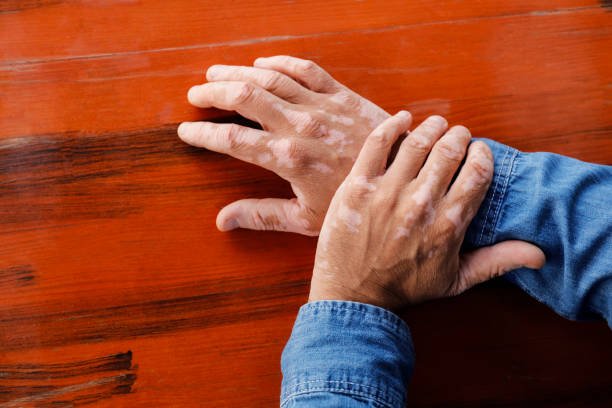
A small, lighter spot appears on the hand, near the edge of an eye, or along the jawline. At first, many people assume it is simple dry skin, a healing blemish, or a harmless reaction to the sun. But as weeks pass, the spot remains stark white, completely devoid of its natural pigment.
This is the reality of vitiligo, a condition shared by over 70 million people worldwide.
Vitiligo is not contagious; it is not physically dangerous, and it does not cause physical pain. Yet, the emotional and psychological journey of seeing one’s appearance shift can feel completely overwhelming.
Understanding the biology behind why pigment disappears, what triggers the immune system, and how modern medical therapies help restore skin tone brings genuine clarity to this condition.
What Actually Happens to the Skin?
To understand vitiligo, it helps to look at the cells responsible for skin color.
Skin tone is created by specialized cells called melanocytes. These cells produce melanin, the natural pigment that gives skin, hair, and eyes their unique shades.
In individuals with vitiligo, the immune system mistakenly identifies these healthy melanocytes as foreign invaders. Over time, immune cells attack and destroy melanocytes in localized areas. Without melanin production, the affected skin turns completely white.
These lighter patches can develop anywhere on the body, though they frequently show up in areas exposed to sunlight or daily friction:
- The hands, wrists, and fingers
- The face, particularly around the eyes and mouth
- The elbows, knees, and ankles
- Areas where hair may also turn prematurely white or silver
In the vast majority of cases, vitiligo presents symmetrically. When a patch develops on the left hand or knee, a matching pattern often appears on the right side over time.
The Key Factors Behind the Condition
Medical researchers have spent decades studying why the immune system targets pigment cells. While research is ongoing, science points to several interconnected factors:
1. Genetic Susceptibility
Around thirty percent of individuals with vitiligo have a family member with the condition. Specific genetic variations related to immune regulation make pigment cells more sensitive to immune detection.
2. Autoimmune System Overlap
Because vitiligo is an autoimmune condition, it frequently coexists with other immune-related responses. It is relatively common for individuals with vitiligo to also have a personal or family history of thyroid imbalances, alopecia areata, or type 1 diabetes.
3. Environmental and Physical Stressors
In people genetically predisposed to vitiligo, certain events can initiate or accelerate the appearance of patches:
- Severe sunburns or physical skin trauma, where patches form at the exact site of an old cut or scrape
- Periods of prolonged emotional stress that influence systemic hormone and immune levels
- Direct exposure to specific industrial chemical compounds
4. Cellular Oxidative Stress
Recent research highlights that pigment cells in people with vitiligo have higher baseline levels of oxidative stress. When these cells accumulate internal waste products faster than they can clear them, it triggers an alarm signal that invites immune cells to attack.
The Emotional Weight and Identity
Medical textbooks often focus strictly on physical symptoms, but the emotional impact of vitiligo is profound.
Skin is tied directly to personal identity, self-esteem, and how people interact with the world. Developing visible white patches, especially on the face or hands, can create social anxiety, self-consciousness, and feelings of isolation.
Navigating vitiligo is not about vanity. It is about adapting to unexpected changes in one’s personal appearance. Dermatologists emphasize that emotional support, supportive community groups, and mental well-being are just as vital as any physical skin therapy.
Modern Therapeutic Approaches
While there is currently no universal cure that permanently stops vitiligo forever, the treatment landscape has expanded significantly with innovative medical breakthroughs.
Advanced Topical Therapies
- Targeted JAK Inhibitors: The approval of topical Janus kinase (JAK) inhibitors represents one of the largest breakthroughs in dermatology. These creams work by directly blocking the inflammatory pathways that tell the immune system to destroy melanocytes, allowing pigment cells to gradually recover and repopulate the skin.
- Topical Calcineurin Inhibitors: These non-steroidal creams help calm local immune activity, making them gentle and effective options for sensitive areas like the face, eyelids, and neck.
- Corticosteroid Applications: Frequently used in the early stages to quickly slow down spreading on newly formed patches.
Specialized Light Therapies (Phototherapy)
- Narrowband UVB Therapy: Administered several times per week in clinical settings, gentle light therapy stimulates resting melanocytes located deep within hair follicles, encouraging them to migrate back to the surface and restore color.
- Targeted Laser Sessions: Excimer lasers deliver concentrated light to small, localized patches, accelerating repigmentation without exposing unaffected skin.
Surgical and Cellular Grafting
For stable vitiligo patches that have not changed in size for at least a year, dermatological surgery offers another path. Specialists can transplant healthy melanocyte cells from pigmented areas of the body directly onto white patches.
Cosmetic Camouflage and Skin Care
For immediate daily confidence, specialized medical-grade cosmetics and long-wear camouflage products provide flawless, natural-looking coverage designed to match any skin tone.
Daily Protection and Essential Habits
Supporting skin health with vitiligo involves a few critical daily habits:
- Consistent Sun Protection: Skin that lacks melanin has zero natural defense against ultraviolet rays and will sunburn very quickly. Broad-spectrum sunscreen with high SPF, protective clothing, and seeking shade prevent burns and minimize contrast between skin tones.
- Gentle Skin Care: Avoiding harsh body scrubs, tight rubbing clothing, or aggressive treatments protects the skin barrier and prevents new patches from forming at friction points.
- Balanced Nutrition and Wellness: Prioritizing antioxidant-rich foods, quality sleep, and daily stress reduction supports whole-body immune health.
Frequently Asked Questions
Is vitiligo contagious?
No. Vitiligo cannot be spread through touch, saliva, sharing items, or physical contact. It is purely an internal immune response.
Can skin pigment return naturally?
In some instances, small amounts of pigment may return spontaneously, often appearing as tiny freckles within the white patch. However, structured medical therapies provide far more consistent and sustained repigmentation.
Does vitiligo affect overall physical health?
Vitiligo primarily affects skin and hair pigment. It does not damage internal organs, cause physical weakness, or shorten life expectancy. Most individuals live completely healthy, active lives.
What should someone do if they notice new white spots?
The most effective step is consulting a board-certified dermatologist early. Modern therapies work best when started on newer, smaller areas before pigment cells remain dormant for extended years.