
When most people picture a seizure, they imagine a sudden collapse, visible muscle contractions, and a complete loss of consciousness.
That is only one small part of the story.
In reality, many seizures are quiet, brief, and easily overlooked by friends, family, or coworkers. An episode might look like someone losing five seconds, experiencing an unexplained wave of intense déjà vu, or staring blankly while gently fidgeting with their hands.
Because these moments look completely different from standard media portrayals, they are often misunderstood, dismissed as daydreaming, or mistaken for sudden anxiety.
Understanding the neurological science behind these subtle signs helps bring clarity to what is actually happening in the brain.
What Actually Happens Inside the Brain?
The human brain relies on a continuous, finely balanced network of electrical impulses passing between billions of nerve cells.
A seizure occurs when there is a sudden, temporary surge of uncontrolled electrical activity.
Neurologists often compare this to an unexpected electrical surge on a power grid. For a few seconds or minutes, normal communication pathways are interrupted. Depending on where the activity originates and how far it travels across the brain, the physical effects vary significantly:
- If the activity remains localized in the visual center, an individual might see brief flickers of light or patterns.
- If it touches the emotional pathways, it can trigger sudden, unprompted feelings of fear or unease.
- If it spreads across both hemispheres, voluntary muscle control is temporarily suspended.
Most individual episodes last between 30 seconds and two minutes before resolving naturally.
The Subtle Types: Episodes That Are Easily Missed
Medical classifications categorize seizures based on where the initial electrical activity begins.
1. Focal Seizures (Localized Electrical Activity)
These begin in one specific region of the brain. During a focal aware seizure, the individual remains conscious and fully aware of their environment, but their senses or motor functions experience temporary distortions:
- A sudden, unusual metallic taste or unexpected smell.
- A brief sensation of detachment, memory flashes, or strong déjà vu.
- Involuntary, rhythmic twitching in a single muscle group, such as an arm or leg.
During a focal impaired awareness seizure, general awareness becomes cloudy. The person might appear awake with their eyes open, but they cannot respond normally to questions. Common signs include repetitive, involuntary movements such as lip smacking, swallowing motions, or aimless wandering.
2. Absence Seizures (The Brief Pause)
Most common in children and younger individuals, absence seizures are frequently confused with standard distraction or daydreaming.
An individual may simply stop speaking mid-sentence, stare blankly ahead for 5 to 10 seconds, and then instantly return to their activity without realizing an interruption took place. There is no physical collapse and no extended recovery period required.
3. Generalized Motor Seizures
This is the classic presentation recognized by the public. The electrical activity involves both hemispheres of the brain from the onset. The muscles initially stiffen (tonic phase), followed by rhythmic muscle jerks (clonic phase), along with a loss of conscious awareness.
Other variations include atonic episodes (a sudden loss of muscle tone causing an immediate fall) and myoclonic events (lightning-fast, shock-like muscle jerks, frequently observed shortly after waking up).
Understanding the Recovery Phase (The Postictal State)
When an episode concludes, the brain does not instantly return to its regular metabolic baseline. It requires a dedicated recovery window.
This transition period is medically termed the postictal state.
During this recovery window, which can range from a few minutes to several hours depending on the intensity of the episode, a person may experience:
- Deep cognitive fatigue and temporary memory gaps.
- Physical exhaustion similar to strenuous muscular exertion.
- Mild confusion, disorientation, or generalized headaches.
Allowing a quiet, low-stimulus environment is a standard part of supporting someone during this natural recovery process.
Common Factors That Lower the Brain’s Threshold
The nervous system has a natural “threshold” for electrical activity. Certain lifestyle factors and physiological stressors can lower this threshold, making disruptions more likely to occur:
- Sleep Disruption: Restorative sleep plays a major role in regulating neurotransmitters. Sleep deprivation is widely recognized as a frequent factor.
- Elevated Physiological Stress: Prolonged stress elevates hormones that influence neural excitability.
- Routine Disruptions: Inconsistencies in daily schedules or missed anti-seizure regimens.
- Hormonal Shifts: Fluctuations during specific cycles can influence neurological stability.
- Illness and Elevated Temperature: Fevers and systemic infections place added metabolic demand on the nervous system.
Is Every Seizure a Sign of Epilepsy?
No. Experiencing an isolated episode does not mean an automatic diagnosis of epilepsy.
In clinical practice, epilepsy is generally diagnosed when an individual experiences two or more unprovoked seizures that occur more than 24 hours apart.
Many episodes are considered “provoked,” meaning they are an acute reaction to a temporary, reversible physiological event:
- Significant shifts in blood sugar levels or severe electrolyte imbalances.
- High fevers in early childhood (febrile episodes).
- Direct concussions or temporary reductions in oxygen delivery.
- Acute medical events like strokes or central nervous system infections.
When the primary underlying cause is evaluated and managed by medical professionals, recurring episodes often do not return.
How Medical Professionals Evaluate Brain Health
Doctors use several non-invasive diagnostic tools to assess electrical function and brain structure:
- Electroencephalogram (EEG): Small sensors attached to the scalp monitor and record electrical patterns, helping identify irregular wave patterns between episodes.
- Imaging Studies (MRI and CT): High-detail imaging allows specialists to look at the brain’s anatomy to rule out structural changes or previous tissue trauma.
- Routine Blood Chemistry: Standard laboratory work helps rule out metabolic fluctuations, vitamin deficiencies, or blood sugar imbalances.
- Clinical Care Plans: Standard management frequently involves specialized medications designed to stabilize neural pathways, alongside tailored lifestyle adjustments.
FAQS
Can someone swallow their tongue during a seizure?
No. It is physically impossible to swallow one’s tongue. Human anatomy prevents this entirely. Placing spoons, fingers, or any other objects into someone’s mouth during an episode can cause severe dental damage or obstruct their airway.
Can episodes occur primarily during sleep?
Yes. Known clinically as nocturnal seizures, these happen while an individual is asleep. Because the person may not be aware of the event, signs are often indirect, such as waking up feeling unexplainably exhausted, noticing morning muscle soreness, or waking with a bitten tongue or disturbed bedding.
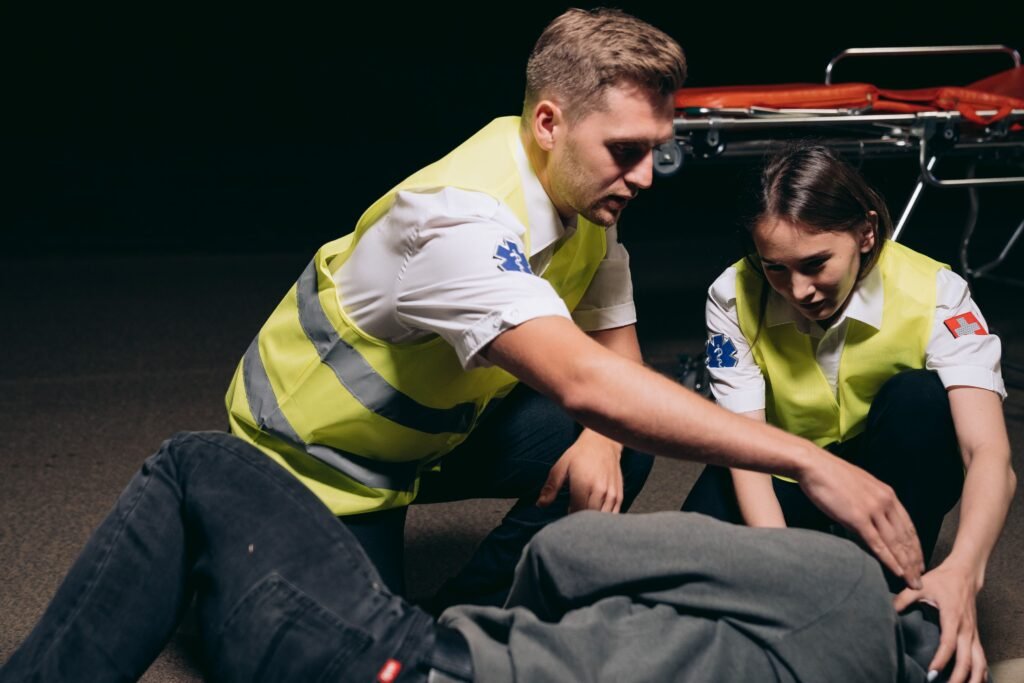
What are the standard first-aid steps if an episode occurs?
General educational safety guidelines focus on three core principles:
- Keep the area safe: Gently move hard, sharp, or dangerous objects away from the immediate area.
- Position for comfort: If possible, gently guide the person onto their side to keep their breathing passage clear and place something soft under their head.
- Do not restrain: Allow the natural physical movement to run its course without holding the person down.
- Call local emergency services (911): If the episode lasts longer than 5 minutes, if multiple episodes happen back-to-back, or if the individual has difficulty regaining regular breathing afterward.
Are seizures physically painful while happening?
During an episode involving altered consciousness, the brain is not actively processing pain signals in a standard way. However, the intense muscle contractions, physical strain, or accidental bumps can leave the body feeling sore, tired, and uncomfortable once full awareness returns.