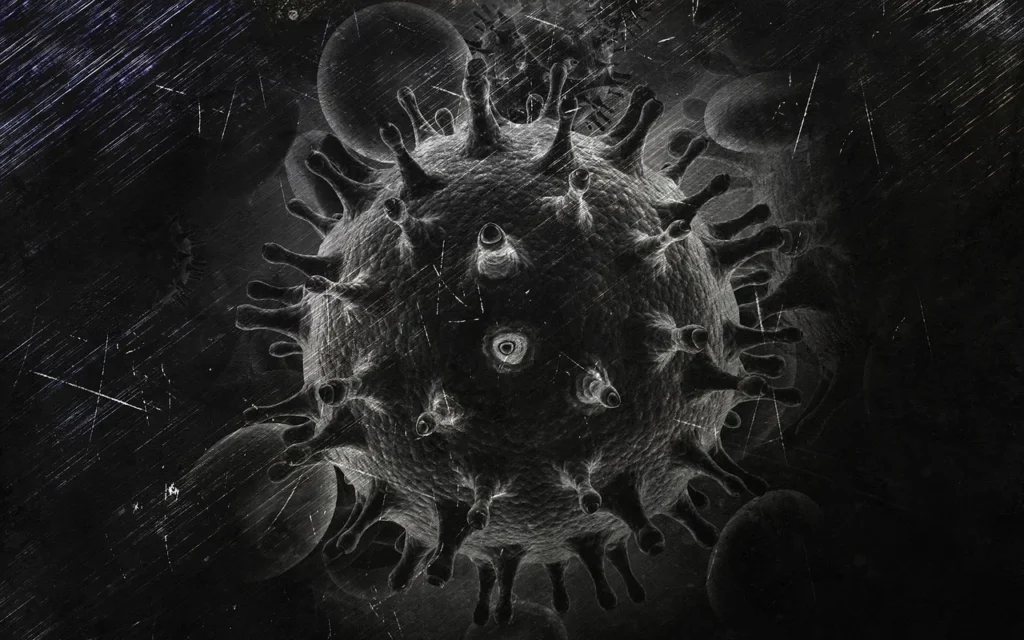

For decades, public perception of HIV was shaped by images and news stories from the 1980s and 1990s.
Today, the medical reality of HIV is completely unrecognizable from that era.
Thanks to rapid advancements in pharmacology and immunology, what was once considered an acute, fatal illness is now classified by global health organizations as a manageable chronic condition much like diabetes or hypertension.
Yet, despite decades of published scientific research, misinformation and outdated stigmas continue to spread faster than medical facts.
Understanding how modern antiretroviral medicine works reveals a very different, hopeful picture of what living with HIV actually looks like today.
The Most Common Misconceptions Examined
Much of the fear surrounding HIV stems from outdated concepts that have long been disproven by modern clinical science.
1. The Outdated “Fatal Diagnosis” Myth
Decades ago, medical options were severely limited. Today, when an individual receives an early diagnosis and begins consistent treatment, life expectancy is comparable to someone without the virus.
Daily management allows the immune system to remain robust, preventing the progression to advanced stages.
2. The Casual Contact Misunderstanding
The human immunodeficiency virus is remarkably fragile outside the human body. It cannot survive in air, water, or on common surfaces.
Authoritative medical bodies like the Centers for Disease Control and Prevention (CDC) have confirmed that the virus cannot be transmitted through:
- Hugging, shaking hands, or closed-mouth kissing.
- Sharing drinking glasses, eating utensils, or food.
- Toilet seats, swimming pools, or gym equipment.
- Mosquitoes or other insect bites.
3. Misunderstandings Around Demographic Risk
A persistent myth is that HIV only impacts specific communities or demographics.
In biological reality, a virus does not recognize orientation, age, gender, race, or socioeconomic background. Anyone exposed to the virus through direct transmission routes can acquire it, making routine awareness and universal access to education critical for everyone.
4. The Groundbreaking Reality of “U=U”
One of the most important breakthroughs in modern infectious disease research is the concept of U=U (Undetectable = Untransmittable).
When an individual takes their prescribed medication consistently, the viral count in their blood drops so low that standard laboratory tests cannot detect it. Extensive global studies have proven that an individual with a sustained undetectable viral load cannot sexually transmit the virus to others.
How the Virus Interacts with the Immune System
To understand how treatment works, it helps to understand what the virus does inside the body.
What Happens to CD4 Cells?
The immune system relies on specialized white blood cells called CD4 cells (or T-cells) to detect and fight off everyday infections.
When HIV enters the bloodstream, it specifically binds to these CD4 cells, using their internal machinery to replicate itself before destroying them. Over extended periods without medical intervention, the gradual loss of CD4 cells leaves the body vulnerable to secondary, opportunistic infections.
The Distinction Between HIV and AIDS
HIV is the virus itself, while AIDS (Acquired Immunodeficiency Syndrome) is the late stage of untreated infection, diagnosed when CD4 cell counts fall below a specific clinical threshold.
With modern testing and early intervention, the vast majority of people diagnosed with HIV never develop AIDS.
How Modern Antiretroviral Therapy (ART) Works
Modern treatment relies on Antiretroviral Therapy (ART), which completely interrupts the virus’s ability to replicate.
Instead of the complex, high-dose pill regimens of the past, modern treatment often consists of a single daily combination tablet with minimal side effects.
By blocking different stages of the viral life cycle, ART achieves two critical goals:
- It reduces the active viral count in the blood to undetectable levels, allowing the immune system to rebuild its CD4 cells.
- It stops damage to the body’s natural defense systems, supporting long-term health and vitality.
Documented Transmission Pathways
Transmission only occurs through specific bodily fluids under particular conditions: blood, semen, pre-seminal fluid, rectal fluids, vaginal fluids, and breast milk.
For transmission to happen, these fluids must come into direct contact with a mucous membrane, damaged tissue, or be injected directly into the bloodstream.
- Sexual Transmission: Transmission can occur during unprotected intercourse. The consistent and correct use of barrier methods substantially reduces this pathway.
- Direct Blood Contact: Sharing needles, syringes, or injection equipment presents a significant risk because blood is transferred directly.
- Perinatal Transmission: An HIV-positive mother can pass the virus during pregnancy, delivery, or breastfeeding. However, with appropriate medical care and viral suppression during pregnancy, the transmission rate drops to less than 1%, according to the World Health Organization (WHO).
Modern Prevention Strategies That Work
Prevention science has advanced alongside treatment, creating reliable options for maintaining negative status:
- PrEP (Pre-Exposure Prophylaxis): A proactive daily pill or bi-monthly injection taken by HIV-negative individuals that reduces the risk of acquiring HIV from sex by over 99% when taken as prescribed.
- PEP (Post-Exposure Prophylaxis): An emergency 28-day antiretroviral regimen started within 72 hours of a potential exposure to stop the virus from establishing itself in the body.
- Regular Screening: Routine testing removes the guesswork, ensuring that anyone exposed can access modern care immediately before the immune system experiences stress.
Daily Management and Quality of Life Today
Living with HIV in the modern era is fundamentally about consistency and routine healthcare.
Achieving and maintaining an undetectable viral load generally occurs within three to six months of starting treatment. Ongoing management involves routine blood tests once or twice a year to verify that the viral count remains suppressed and that the immune system remains strong.
With modern science having largely resolved the physical hurdles of the condition, medical professionals agree that addressing social stigma through clear, updated facts remains the final important step in public health.
Frequently Asked Questions
Can HIV be completely cured?
Currently, there is no permanent cure that eradicates the virus from every reservoir in the body. However, modern medication suppresses the virus so thoroughly that it remains inactive, non-transmissible, and incapable of damaging the immune system as long as treatment continues.
How long after an exposure can a test detect the virus?
Testing timelines depend on the test type used by a healthcare provider:
- Nucleic Acid Tests (NATs): Can detect the virus 10 to 33 days after exposure.
- Antigen/Antibody Lab Tests: Typically detect signs within 18 to 45 days.
- Rapid Antibody Tests: Generally detect antibodies within 23 to 90 days.
Can an individual living with HIV safely have children?
Yes. With standard prenatal care, fertility planning, and effective viral suppression, individuals living with HIV regularly conceive and deliver healthy, HIV-negative children without risk to their partners or babies.
Can the virus spread through saliva or kissing?
No. Saliva does not contain the virus in amounts capable of transmitting infection. Everyday social contact, closed-mouth kissing, and casual interactions carry zero risk of transmission.